Public attendance
A well-used amenity starts with an enjoyable surface.
For municipalities
A town does not buy a rink; it buys public attendance, word of mouth and civic pride, all of it in full view of residents. This page is about why regular synthetic ice rarely delivers that, and why the quality premium is what protects the whole investment.
Assess a municipal ice rink as a public amenity whose attendance, resident experience, civic pride, operating burden, and visible reputation depend on reliable surface quality and responsible management.
Glice is a Swiss-engineered synthetic ice rink system that delivers a real skating experience on regular ice skates, with no water and no electricity. Its solid polymer panels showed 52% less friction than the next-best synthetic ice in standardized Fraunhofer Institute testing, and are now installed in more than 3,000 rinks across 100+ countries.
Reviewed by Viktor Meier, Co-Founder & CEO, Glice AG · Last reviewed: August 2026
What quality protects
A well-used amenity starts with an enjoyable surface.
Happy skaters bring the next wave of visitors.
Give residents an experience the town can stand behind.
Keep sponsors connected to a rink the community values.
A council is not really buying a surface. It is buying a well-used public amenity that residents enjoy, talk about and take pride in.
A council is not really buying a surface. It is buying a well-used public amenity that residents enjoy, talk about and take pride in, and that reflects well on the town. Because it is public, the experience is judged in public: a good rink becomes a source of local pride, and a disappointing one becomes a complaint residents make loudly and repeatedly.
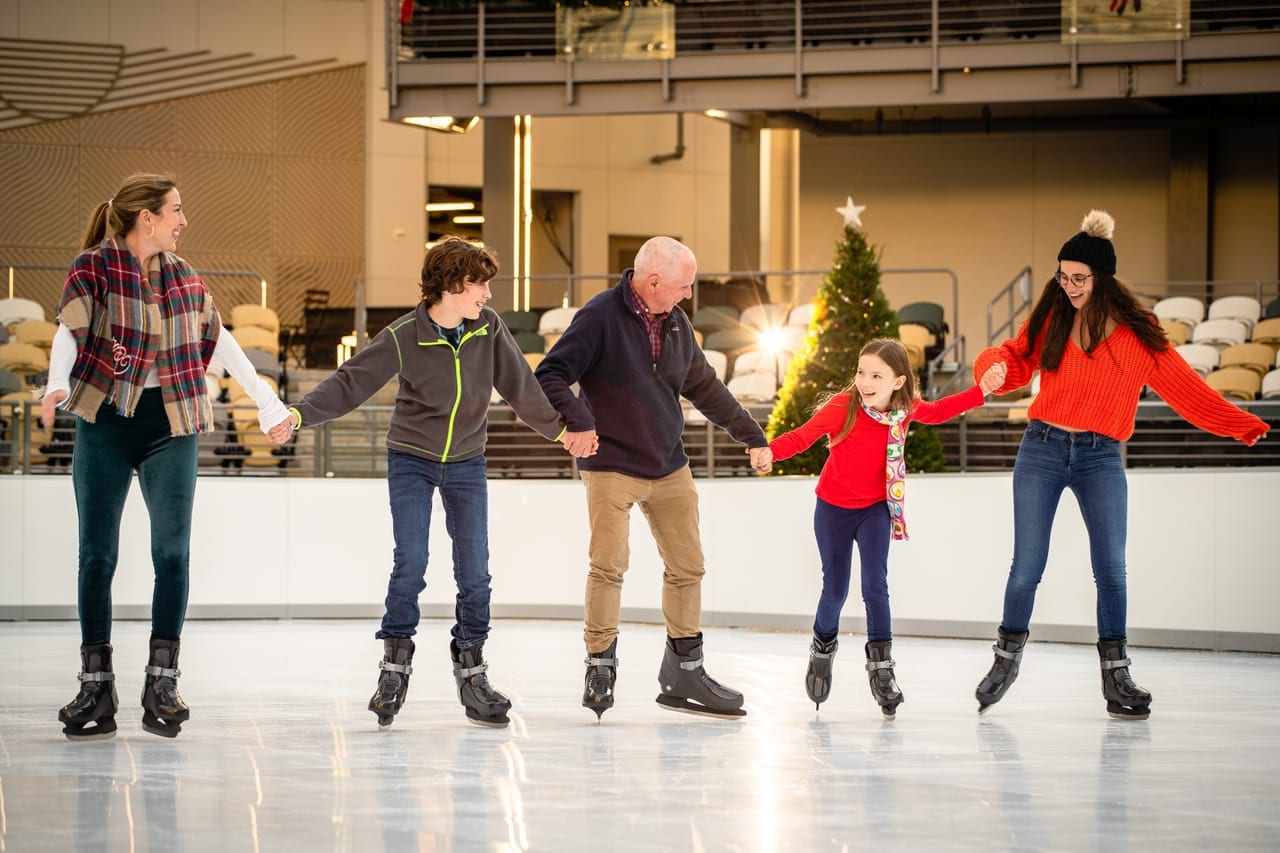
Attendance at a public rink is roughly 20% passers-by, 30% repeat visits and 50% word of mouth, so about 80% of it depends on people enjoying themselves. A surface that tires and frustrates skaters undoes that, and an empty or unhappy rink draws no one, because residents are drawn toward a rink full of people having fun. The rink's other income, dasher-board advertising, is weatherproof, steady income a town can rely on year over year. It depends on the same thing: advertisers want to be seen at a rink the town likes, not one it complains about.
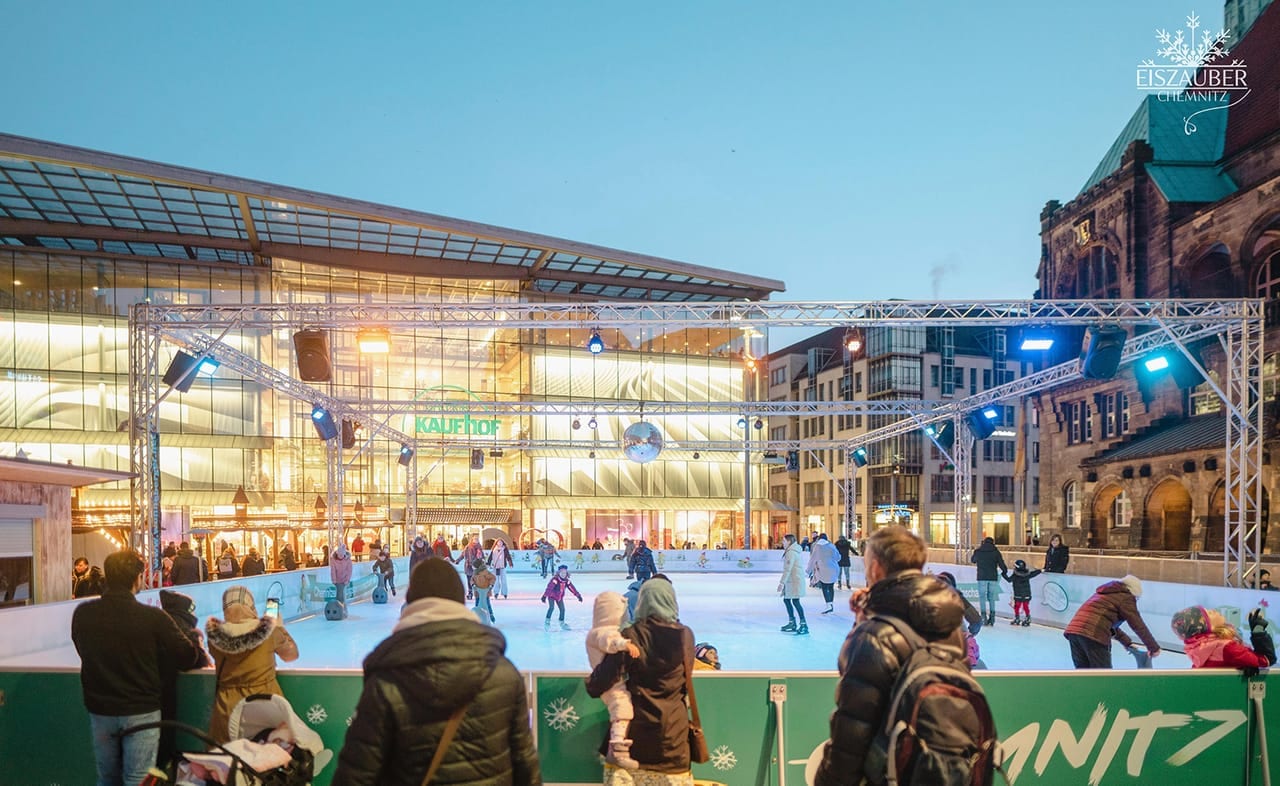
On a poor surface, skaters plough and tire, do not come back and do not recommend it, and the 80% of attendance built on enjoyment quietly collapses. The advertising follows: an advertiser attached to a rink with a bad local reputation opts out after the first season, and replacing them is nearly impossible. Worst of all, the failure is public. A town that invested in a rink residents do not enjoy wears that visibly, and the council hears about it.
Glice is engineered so skaters glide rather than plough, which is what turns a rink into a full, happy, talked-about amenity, the kind a town is proud of and advertisers want to be seen at. The performance behind that is independently measured by Fraunhofer, which matters for a public body that has to justify the choice. The result is the outcome a council actually wanted: a rink that is used, enjoyed and defensible.
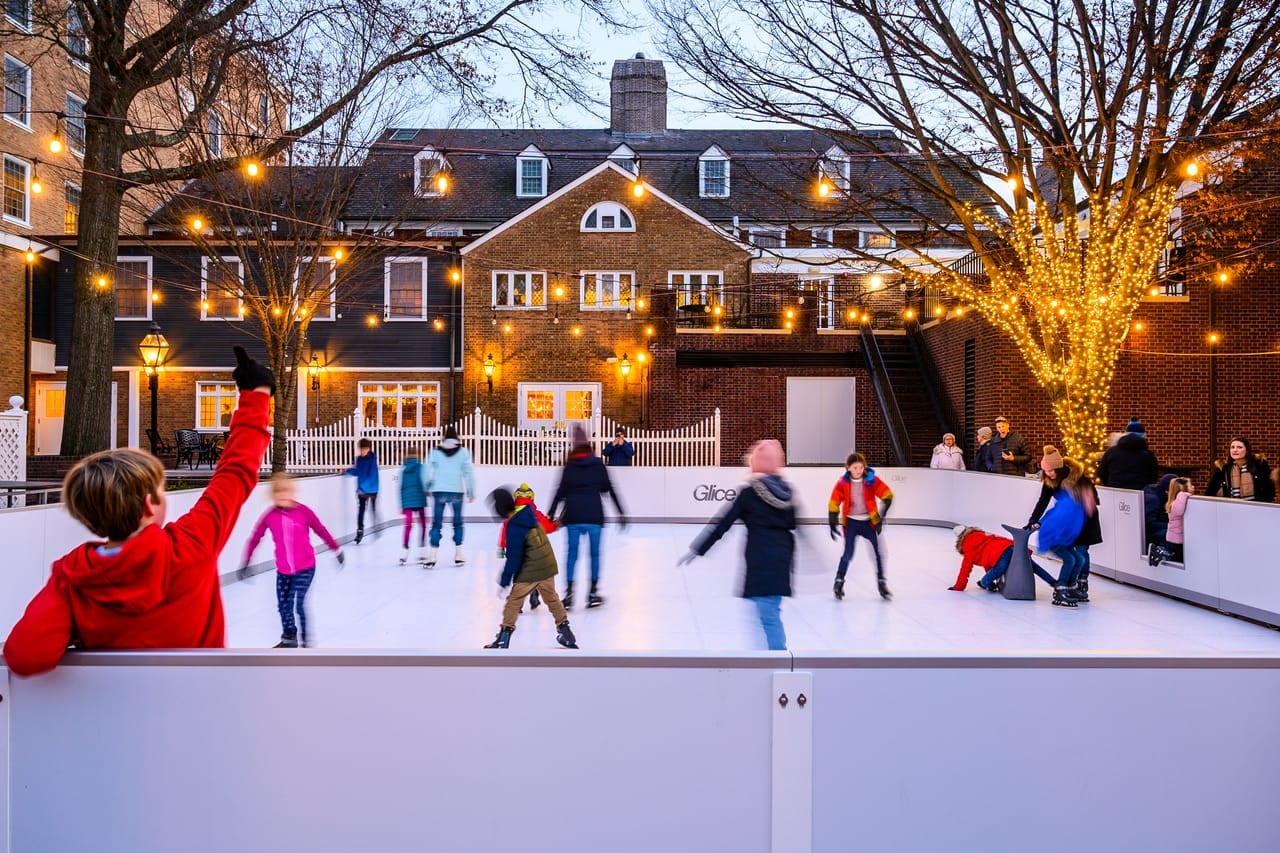
Public bodies buy by tender, and a tender is only as good as its criteria. Ask for a price and a thickness, and you will get the cheapest surface, because that is all you measured, and the cheapest surface is exactly the one that empties the rink. A fair tender specifies the things that actually decide the outcome: friction, indentation and abrasion, each with its test conditions and an independent source; the joint system and the standard the panels are machined to; a maintenance and training programme; and local support. Written that way, the tender rewards the surface that will fill the rink rather than the one that looks cheapest on paper, and it protects the council when the decision is questioned.
Glice costs about 20 to 30% more than regular synthetic ice, and each cost of going without the quality stands on its own. The sharpening bill alone can justify it, provided skates stay on the ice or rubber matting because hard flooring or asphalt ruins an edge fast. So can the attendance and word of mouth a poor surface loses. So can the advertising a disliked rink cannot keep. Any single one of these is usually enough to repay the premium within a season, and if plans change, used Glice panels hold a high resale value.
There is no independent municipal benchmark that puts a precise attendance number on the difference, so a council should run these arguments against its own catchment and expectations rather than a headline figure. And the surface is necessary, not sufficient: a great rink with no maintenance routine, untrained staff or no marketing will still struggle, which is why the Why synthetic ice rinks fail page matters as much as this one.
A municipality is buying public pride and attendance, most of which depends on people enjoying the rink. Regular synthetic ice rarely delivers that enjoyment, and the failure is public. Glice's independently measured quality protects the attendance, the advertising and the town's reputation, and any single one of those, sharpening, attendance or advertising, usually repays the premium within a season. The blade-cost case assumes skates stay on the ice or rubber matting; hard flooring or asphalt ruins an edge fast.
See how Glice turns any venue into a destination. 3,000+ rinks and counting.
Free Planning Guide
Everything you need to evaluate, plan, and launch a synthetic ice rink - in one document.
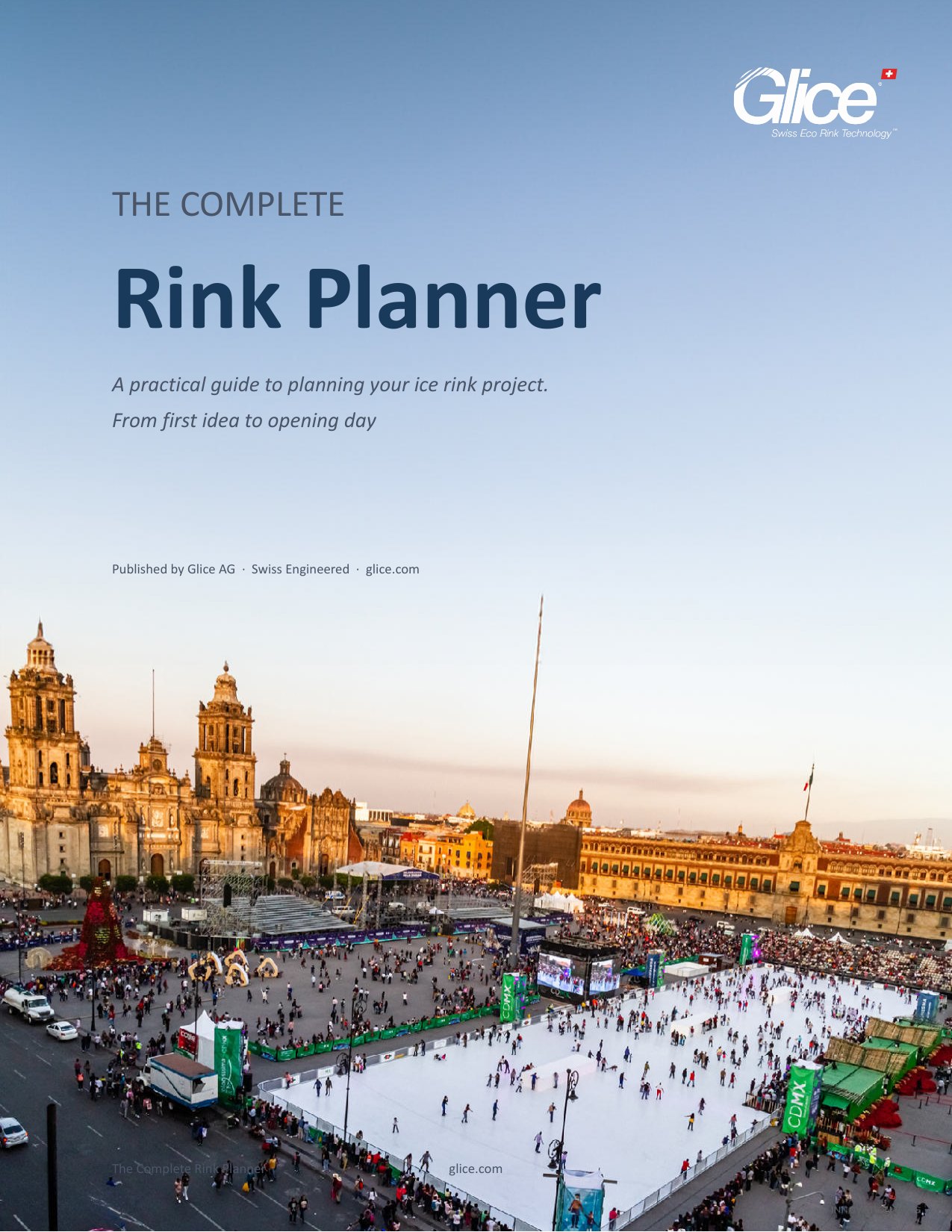
A municipality is buying public participation, civic atmosphere and reliable seasonal programming, not merely square metres of panels. The rink must be accessible, attractive and manageable for staff while supporting community goals. Surface quality matters because residents experience the result directly and public disappointment is visible to councillors, partners and local media.
A tender should require comparable evidence for friction, indentation and abrasion, a connection system suited to the site, defined installation and maintenance support, realistic blade-care guidance, warranty terms and relevant public-rink references. Performance claims should identify test conditions. Procurement should score the complete operating outcome, not only the lowest panel price.
Synthetic ice does not need freezing weather or a refrigeration plant, so programming can continue across a broader season and in warmer climates. Heat can soften polymer and slightly change skating performance, making shade, cleaning and operating guidance important. Above roughly 30°C, skater comfort often becomes the practical limit first.
Residents judge a public amenity openly. The article describes a well-used rink as a source of local pride and a disappointing one as a visible complaint. The council is therefore buying an experience and a public outcome, not only panels, and should consider how the operation will sustain that experience.
The article describes repeat visits and word of mouth as major parts of public-rink attendance. People are also drawn toward a rink where others are visibly enjoying themselves. Those mechanisms explain the quality case, but the article does not supply an independently verified Glice-specific attendance forecast for an individual town.
Advertisers want to be associated with a rink the town enjoys. The article warns that a disliked or poorly run rink can lose advertisers after the first season, leaving a weak reputation when replacements are sought. Treat presentation and reliable operation as part of maintaining those relationships, not simply selling board space.
Friction, indentation and abrasion results are useful only when their test conditions and independent source are clear. The article recommends stating those requirements so bids can be compared on the outcome they are meant to deliver. Price and thickness alone do not establish how the rink will perform for residents.
Ask for the joint system and the standard to which panels are machined. The article includes both in a like-for-like tender alongside measured performance, maintenance, training and local support. They are parts of the installation and operating specification, rather than details that can be inferred from thickness or a low panel price.
The article stresses that a strong surface is necessary but not sufficient. Without a maintenance routine, trained staff or marketing, a rink can still struggle. Requiring a maintenance and training programme in the tender makes those operating needs visible before purchase rather than leaving them to be discovered after opening.
Test the additional surface price against the town’s own attendance expectations, sharpening costs and advertising case. The article does not provide an independent municipal benchmark that guarantees a particular result. The blade-cost comparison also assumes skates stay on the ice or rubber matting rather than hard flooring or asphalt.
No. The article’s sharpening-cost case assumes that skates remain on the rink or rubber matting. Hard flooring or asphalt can damage an edge quickly, regardless of the installed surface. Include that condition in the operating plan and staff training when comparing blade-care costs for the public rink.
The article places local support alongside independently measured performance, joint quality, maintenance and training in a fair tender. Asking about it helps the council compare the complete operating offer rather than a panel price alone. The aim is a rink that remains usable and manageable, not merely one that was cheapest to purchase.
Last updated: June 2026