Quiet-season occupancy
Give guests a compelling reason to choose the property.
For hotels
A hotel rarely sells a single ticket for its rink. It uses the rink to enhance the guest experience, fill rooms in the quiet months and lift on-property spend, all under its own brand. This page is about why a mediocre surface puts the brand at risk, and why the quality premium is cheap insurance.
Evaluate a hotel ice rink as a guest-experience and brand investment, including its effects on occupancy, on-property spending, publicity, operating simplicity, and the quality risk the hotel carries.
Glice is a Swiss-engineered synthetic ice rink system that delivers a real skating experience on regular ice skates, with no water and no electricity. Its solid polymer panels showed 52% less friction than the next-best synthetic ice in standardized Fraunhofer Institute testing, and are now installed in more than 3,000 rinks across 100+ countries.
Reviewed by Viktor Meier, Co-Founder & CEO, Glice AG · Last reviewed: August 2026
What quality protects
Give guests a compelling reason to choose the property.
Support food, beverage and other guest spending.
Create an amenity people enjoy, share and recommend.
Protect the premium experience the hotel promises.
A general manager is not buying a rink; they are buying a reason for guests to choose the hotel, stay on the property and spend while they are there.
A general manager is not buying a rink; they are buying a reason for guests to choose the hotel, stay on the property and spend while they are there. The rink has to do five things: enhance the guest experience, generate attention, support food, beverage and other on-property spend, run without complexity for a team that is not a rink crew, and reflect the brand's standard. The outcome the hotel measures is occupancy in the quiet season, the rate it can hold, and spend per guest, not admissions.
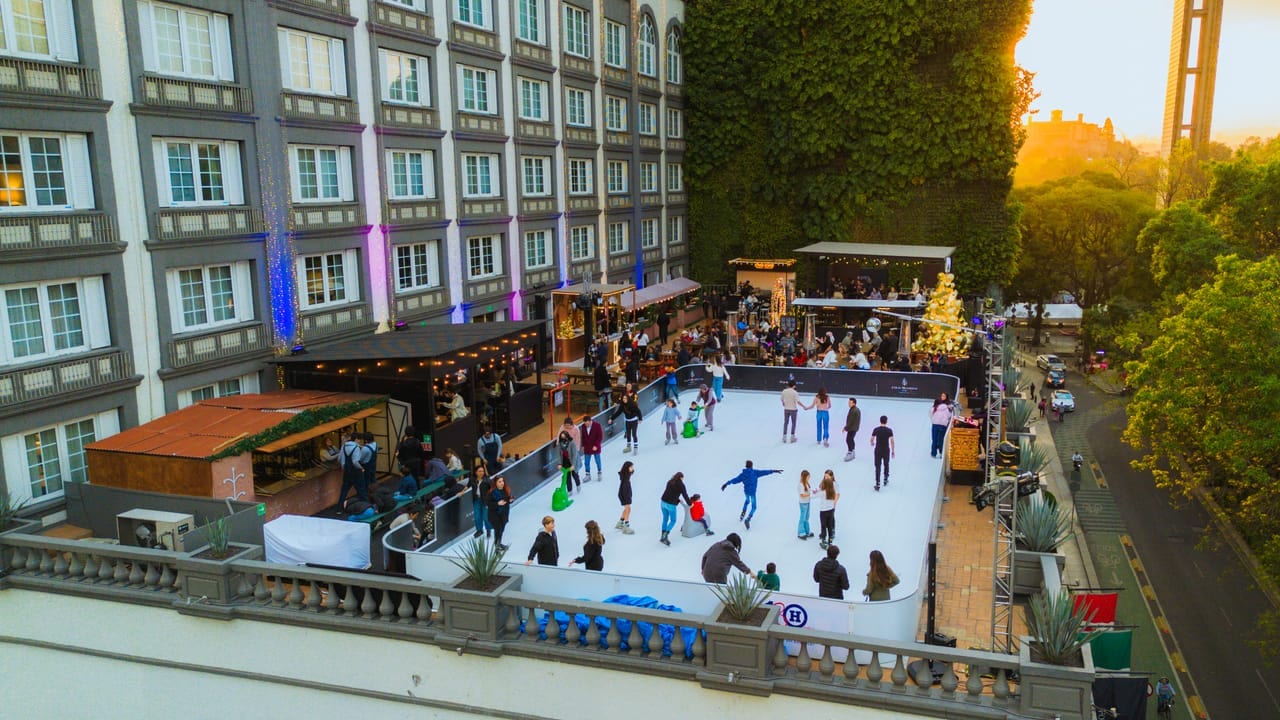
Because a hotel usually charges nothing to skate, there is no ticket revenue to lose if the surface disappoints, which sounds like less risk and is actually more. The entire downside lands on the brand. A guest who tried the advertised amenity and did not enjoy it now attaches that disappointment to the hotel, in a review, on a stay they paid a premium for. The rink was meant to elevate the experience; a poor surface makes it the thing the review complains about.
A soft, high-friction surface leaves a guest tired and underwhelmed after a few laps, which in a luxury setting is not a small miss but a brand failure. And because a hotel team is not a rink crew, a surface that needs constant intervention, or blades that dull within the session, quietly degrades the amenity until it is more liability than attraction. Edge life always depends on keeping skates on the ice or rubber matting; hard flooring or asphalt ruins an edge fast. The first thing a guest sees is the dasher boards, so a rink that looks cheap in a premium courtyard has already failed before anyone skates.
Glice is engineered so a guest glides and enjoys the experience, comes back to the bar and mentions the hotel well rather than badly. An edge that holds for hours means a small hotel team can actually run the amenity, provided skates stay on the ice or rubber matting because hard flooring or asphalt ruins an edge fast. The presentation, the boards and the surface can be specified to match a premium venue. The same attention to detail extends to the skates themselves, because even a perfect surface fails the guest if the skate is uncomfortable. The performance is independently measured by Fraunhofer, which matters when a brand is putting its name on the experience.
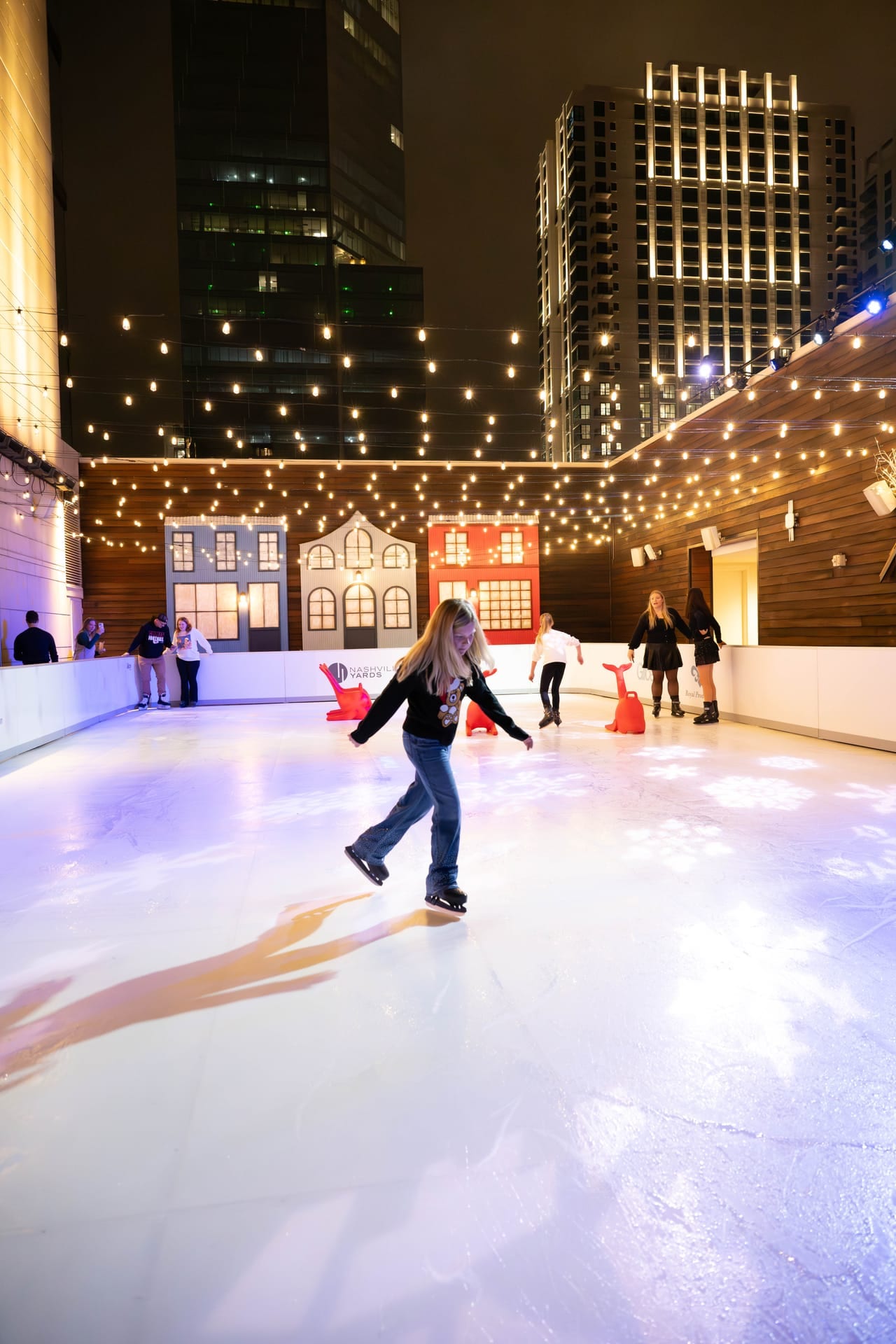
For a hotel, the glide is only part of what it is buying; what a brand really wants is for the whole thing to be handled. This is where Glice's Swiss culture of excellence matters: the quality of the skate blades, the comfort of the skates, the convenience of FlatPack storage that folds away between seasons, the presentation of the boards. Every detail is thought through, so buying and running the amenity is headache-free, and for a hotel putting its name on the experience, knowing every detail is taken care of is often worth as much as the surface itself.
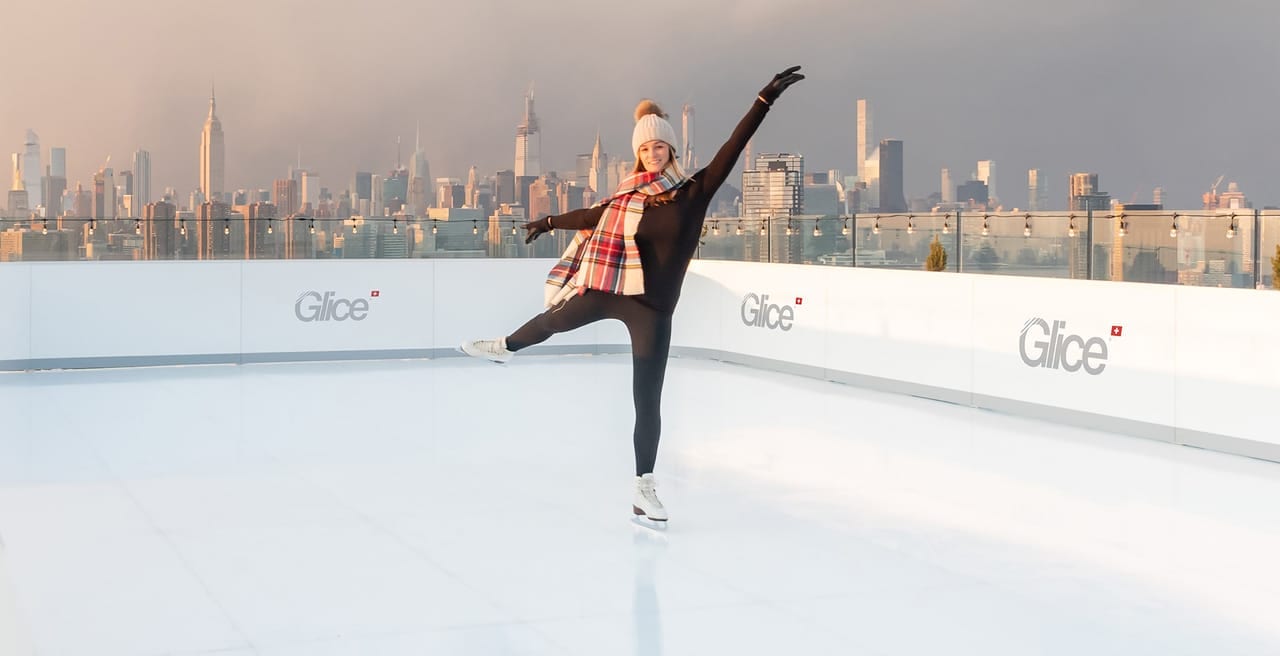
Glice costs about 20 to 30% more than regular synthetic ice, and for a hotel the premium is best tested in occupied room-nights. Take the property's own rate, and ask how few additional occupied nights across a weak season the amenity has to influence before the premium is repaid. For most upscale properties that number is small, because a single well-supported quiet weekend moves more revenue than the entire surface premium. Each factor stands alone: the guest experience, the on-property spend and the brand protection are each, on their own, usually enough to justify it.
There is no verified hotel utilisation or rate-uplift benchmark specific to Glice, so every number in a real decision should be the hotel's own, run through the mechanism above rather than taken from a headline. And a rink is not right for every property: without suitable space, quiet-season demand to shift or food and beverage to feed, the return is weaker.
A hotel rink sells experience, occupancy and brand, not tickets, so a disappointing surface costs reputation rather than admissions, which is the more expensive currency. Glice's independently measured quality protects the guest experience a small team can actually run, and the premium is usually repaid by a handful of additional occupied room-nights across a quiet season.
See how Glice turns any venue into a destination. 3,000+ rinks and counting.
Free Planning Guide
Everything you need to evaluate, plan, and launch a synthetic ice rink - in one document.
A hotel rink is an experience asset that can support occupancy, food and beverage, events, dwell time and brand distinction. Guests judge it as part of the property, so visual finish and skating quality protect more than ticket income. The operating plan should connect the rink to packages, programming and hospitality service.
A premium property cannot separate a poor skating experience from its own brand. Slow glide, visible seams, tired-looking boards or frequent blade problems weaken photographs, reviews and repeat use. A well-run quality surface supports the polished, dependable experience guests expect while removing the plant and weather exposure of refrigerated ice.
Yes, when the rink is weatherproof, well programmed and tied to rooms, dining, events and sponsorship. Those income streams can become dependable year after year. The risk is operational: a poorly run rink loses guest enthusiasm and advertisers after season one, and a damaged track record makes those partners difficult to replace.
The article proposes looking at quiet-season occupancy, the room rate the property can hold and spending per guest. A hotel that offers skating without a separate ticket should not evaluate the amenity only through admissions. Connect the rink’s guest experience to the property’s own commercial measures.
Use the property’s own room rate and ask how many additional occupied nights across a weak season would cover the price difference. The article does not provide a verified hotel utilisation or rate-uplift benchmark. Treat the calculation as a property-specific scenario, not a promise that a rink will fill rooms.
When skating is included in the stay, disappointment may appear in the guest’s overall hotel review rather than as lost ticket revenue. The article explains that the rink is judged under the property’s brand. A poor experience can undermine the premium stay the amenity was meant to enhance.
Guests experience the skates as well as the surface. The article notes that uncomfortable skates can spoil the visit even when the surface performs well. Include skate comfort and blade quality in the specification so the amenity reflects the hotel’s standard throughout the guest experience.
The hotel team may not be a specialist rink crew. Consider how the surface and skate fleet will be maintained, how sharpening will be managed and how the amenity fits existing service. The article warns that constant intervention or blades dulling within a session can turn an attraction into an operating liability.
The boards are among the first things guests see, and the rink should look appropriate in the hotel’s courtyard or other premium setting. The article treats the finish, surface and skates as one experience. A functional but cheap-looking installation can undermine the intended impression before its glide is tested.
Yes. The edge-life benefits described in the article assume that skates stay on the rink or rubber matting. Hard flooring or asphalt can damage an edge quickly. Plan protected walking areas with the skate-management routine; a good surface does not remove that ordinary blade-care requirement.
A hotel may need to put the amenity away between seasons. The article includes FlatPack storage that folds away as part of the wider operating package, alongside skate comfort and board presentation. Evaluate that convenience with the property’s team rather than comparing the surface as an isolated purchase.
The article names suitable space, quiet-season demand that can be influenced and food-and-beverage spending as important parts of the case. If those opportunities are absent, the return may be weaker. There is no verified Glice-specific occupancy benchmark to substitute for the hotel’s own assessment of those conditions.
Last updated: June 2026