Short operating window
Every session matters when the run lasts only a few weeks.
For events and pop-ups
An event rink has no second season. The whole run happens in a few weeks, sometimes with the capital meant to be earned back in that window, and there is no time to recover from a bad surface. This page is about why that makes quality less forgiving here than anywhere else.
Learn why an event ice rink's short commercial window makes surface quality, guest experience, operations, sponsorship, and repeat bookings decisive, and how portable FlatPack systems affect the economics.
Glice is a Swiss-engineered synthetic ice rink system that delivers a real skating experience on regular ice skates, with no water and no electricity. Its solid polymer panels showed 52% less friction than the next-best synthetic ice in standardized Fraunhofer Institute testing, and are now installed in more than 3,000 rinks across 100+ countries.
Reviewed by Viktor Meier, Co-Founder & CEO, Glice AG · Last reviewed: August 2026
What quality protects
Every session matters when the run lasts only a few weeks.
First-timers and word of mouth build the crowd.
Protect advertiser relationships from the first season.
Reduce the repeated work of setup, strike and storage.
An event is buying a short, intense spike of ticket and rental revenue, spend per visitor, media coverage, and a reputation good enough to be booked again.
An event is buying a short, intense spike of ticket and rental revenue, spend per visitor, media coverage, and a reputation good enough to be booked again or to hold the slot next year. Dasher-board advertising can be weatherproof, steady income an annual rink relies on year over year. The risk is operational: a poorly run rink loses advertisers after season one and may be unable to replace them. The rink is both the attraction and, often, the profit centre.
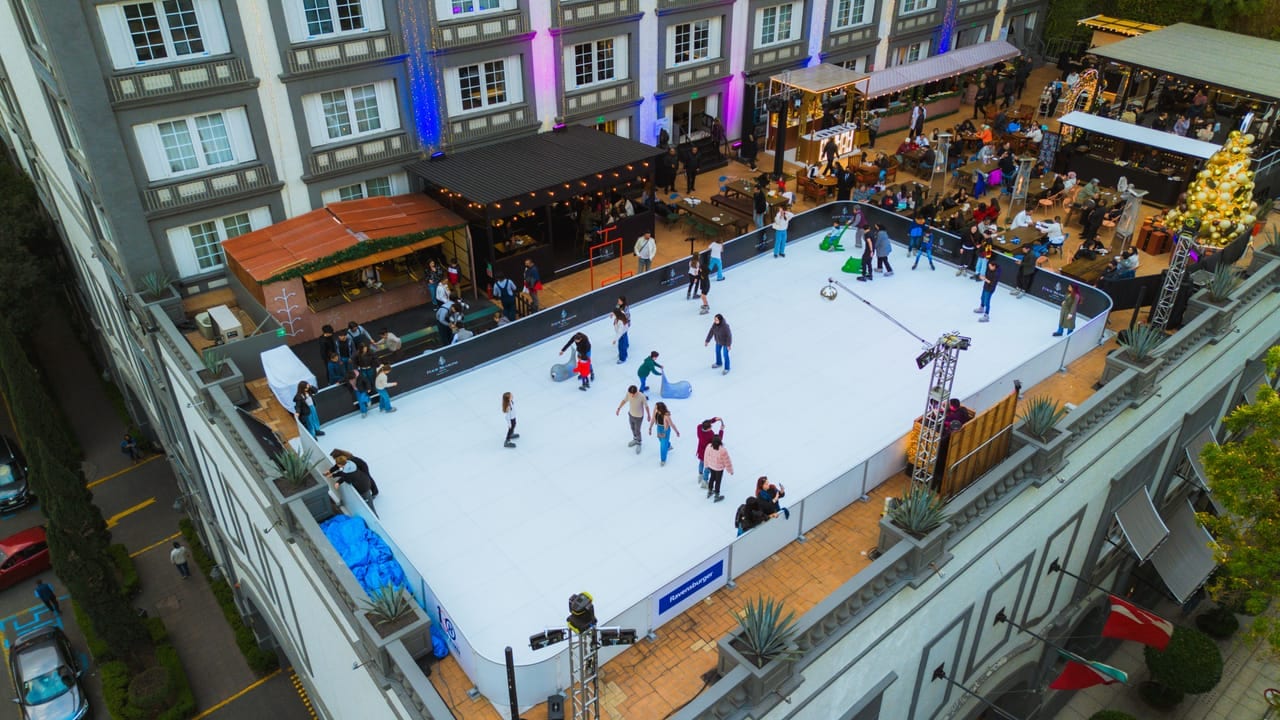
The window punishes a bad surface immediately. On a four-week pop-up, a surface skaters dislike burns a quarter of the whole run before anyone can react, and the roughly 50% of attendance that comes from word of mouth never builds because there is no time for it to spread. Most of an event crowd are first-timers, and whether they glide or plough decides the clip they post and the friends they bring next weekend.
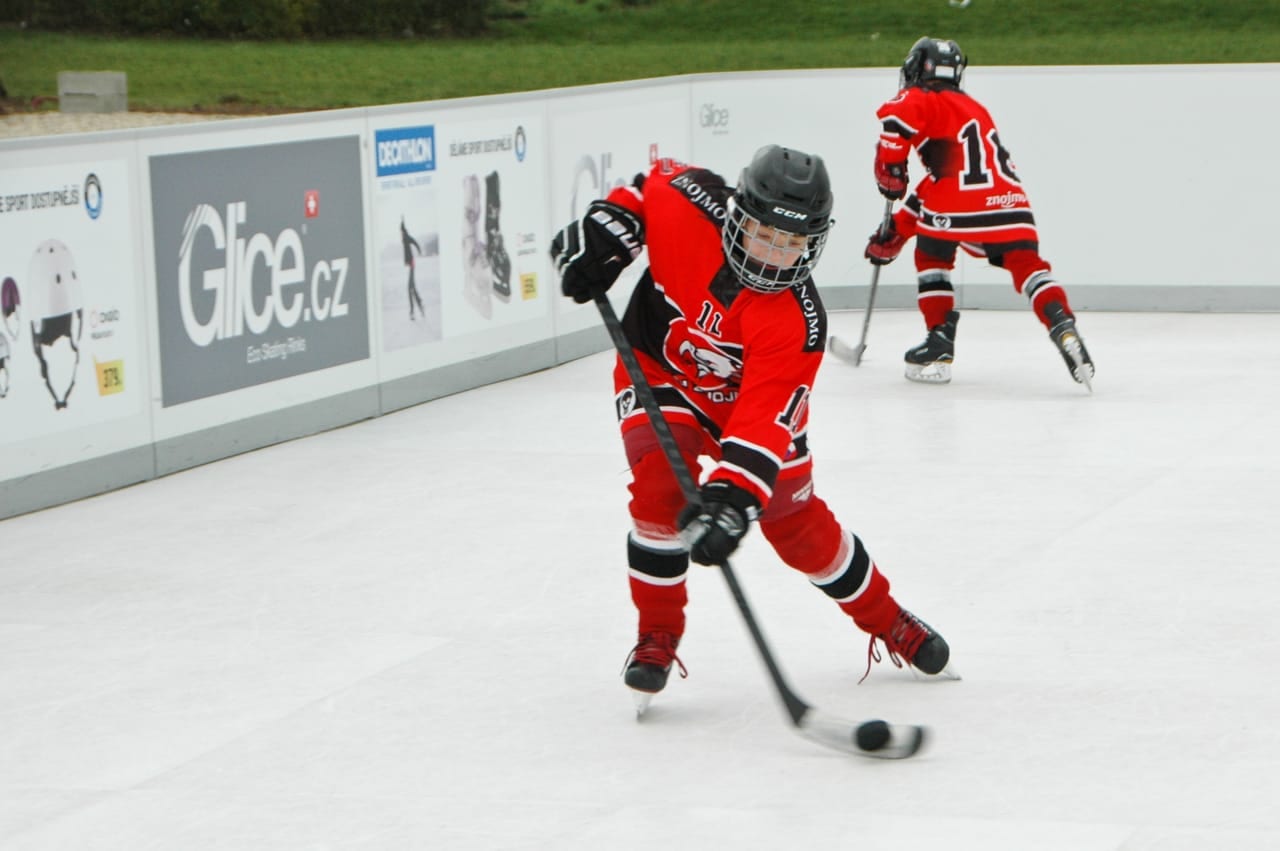
A soft, high-friction surface tires first-time skaters fast, and the sharpening trap bites hardest here. Running back-to-back sessions on a surface that dulls a blade within the session, an operator cannot re-sharpen the fleet fast enough, so skaters get dull blades in the one window the event has. Edge life also depends on keeping skates on the ice or rubber matting; hard flooring or asphalt ruins an edge fast. Packed and struck improvised, a poor setup also eats the labour and storage an event cannot spare.
An edge that survives a full day of sessions keeps the rental fleet skating without the operator falling behind, provided skates stay on the ice or rubber matting because hard flooring or asphalt ruins an edge fast. First-timers who glide produce the media moment and the word of mouth an event lives on. And FlatPacks, which fold flat and stack whether empty or full, shrink the one cost a pop-up repeats every time: setup, strike and storage. The performance is independently measured by Fraunhofer.
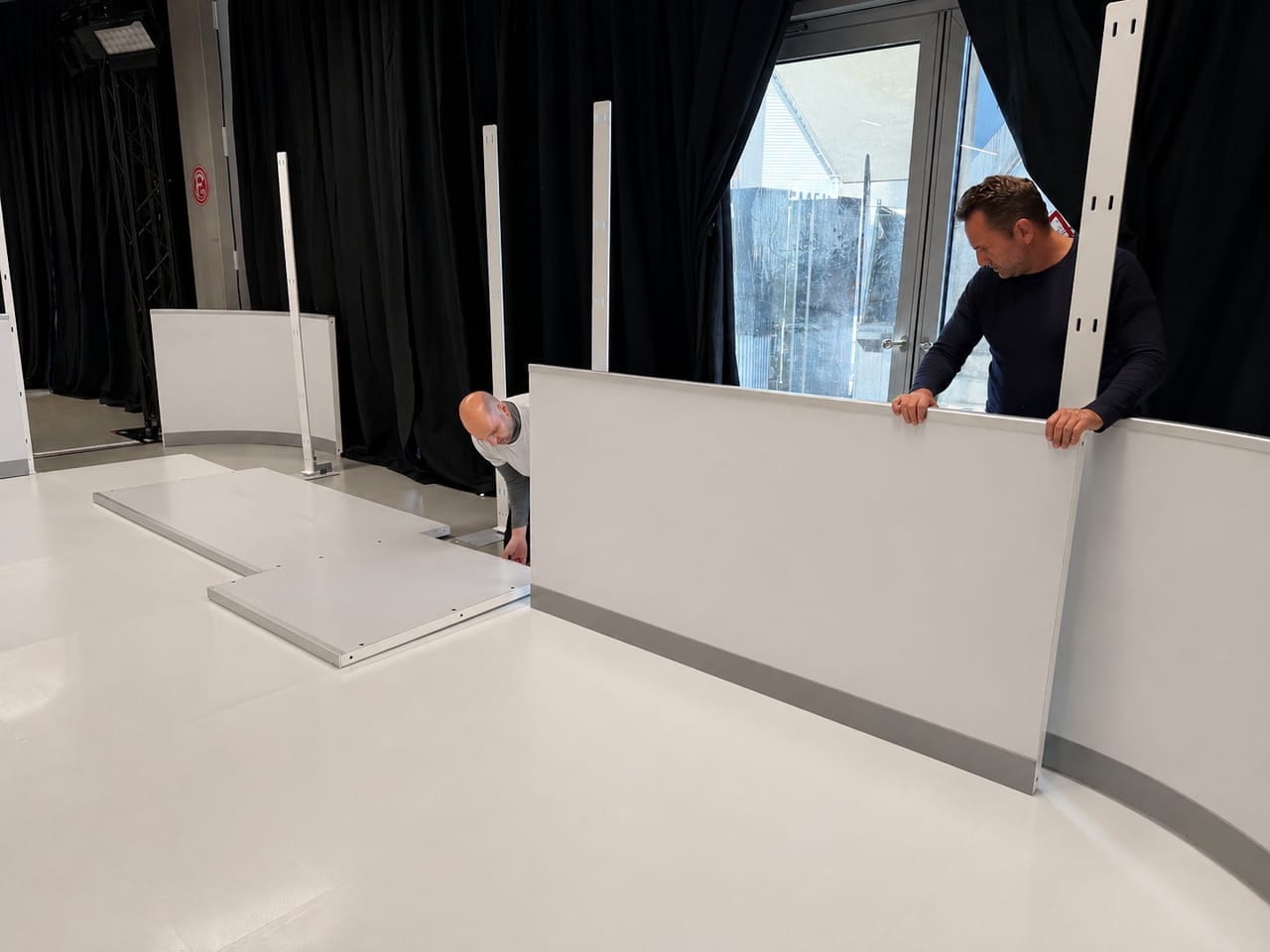
Glice costs about 20 to 30% more than regular synthetic ice, and for an event the case is unusually direct because the run is short. If a lesser surface costs even a fraction of the word-of-mouth attendance in a window with no time to recover it, the premium is repaid inside the season, and each factor, the attendance, the advertising, and the saved setup and sharpening, stands on its own. The blade-cost case assumes skates stay on the ice or rubber matting; hard flooring or asphalt ruins an edge fast.
Event economics vary more than any other segment, from a hotel forecourt to a city winter village, so there is no single benchmark, and a buyer should run the numbers on their own run length, session count and ticket price. And a great surface does not remove the ordinary demands of running an event well: location, marketing, staffing and programming still decide the outcome.
An event rink earns in a short window with no second chance, so a surface skaters dislike burns the run before word of mouth can build. Glice holds an edge through a full day, gets first-timers gliding and posting, and, with FlatPacks, cuts the setup, strike and storage a pop-up repeats every time. Any one of those usually repays the premium within the season.
See how Glice turns any venue into a destination. 3,000+ rinks and counting.
Free Planning Guide
Everything you need to evaluate, plan, and launch a synthetic ice rink - in one document.
An organiser is buying a compact attraction that creates participation, photographs, dwell time and sponsor visibility inside a fixed event window. The system must arrive, install and operate predictably because there is little time to recover from delays. Surface, boards, logistics, staffing and skate management need one coordinated plan.
A permanent venue can improve over time; a pop-up may have only days. If first users experience poor glide or dull blades, negative word of mouth spreads during the event itself. A current-production sample and rehearsed maintenance plan reduce that risk, while skates must stay on the ice or rubber matting because hard flooring or asphalt ruins an edge fast.
A weatherproof rink offers sponsors dependable visibility, branded boards and scheduled activation opportunities rather than programming that disappears with warm weather. That can become repeat income across annual events. The risk remains: a poorly run first edition loses advertisers, and organisers may be unable to replace them once performance has disappointed the market.
Use the event’s own run length, session count and ticket price. The article does not supply a universal event benchmark: a hotel forecourt and a city winter village can have very different economics. Include the ordinary costs of location, marketing, staffing and programming rather than treating surface quality as the whole business plan.
An event has only a short period in which visitors can recommend it and bring friends back. If first-time skaters enjoy themselves, they can help build attendance during that window. If they dislike the surface, there may be too little time to recover the lost interest before the run finishes.
Closely spaced sessions leave little time to recover when rental blades lose their edge quickly. The article describes how an operator can fall behind on sharpening and then give later visitors dull skates. Plan the fleet and sharpening routine together, and keep skates on the ice or rubber matting, not hard floors or asphalt.
No. The blade-care advantages described here assume that skates remain on the rink or rubber matting. Hard flooring and asphalt can damage an edge quickly, whatever surface is installed. Protected routes between the skate area and rink remain part of operating the event well.
Setup, strike and storage are costs that return each time a pop-up rink is used. The article describes FlatPacks that fold flat and stack whether empty or full. That storage approach is intended to reduce the repeated logistics burden; it does not replace the event’s staffing or operating plan.
The article describes an event crowd made up largely of first-time skaters. Their first experience affects whether they stay, share photographs and recommend the event. Compare the surface as part of that experience, alongside the skates and operation, rather than selecting panels on purchase price alone.
Compare the additional surface price with the event’s own attendance, advertising, setup and sharpening costs. The article identifies each as a separate part of the case, not as a guaranteed return. The sharpening comparison also assumes that skates stay on the ice or rubber matting rather than hard flooring or asphalt.
No. Independent testing can support a surface comparison, but a good event still depends on its location, marketing, staffing and programming. The article distinguishes measured surface performance from those operating demands. Use both when preparing the event, and assess the financial result against the actual run and ticket model.
A successful event can earn another booking or retain its seasonal slot. Sponsor relationships can also support repeat editions, but a disappointing first run can make advertisers difficult to replace. The article therefore treats the visitor experience and reputation as part of the event’s value, not only immediate ticket income.
Last updated: June 2026