Why the two look the same
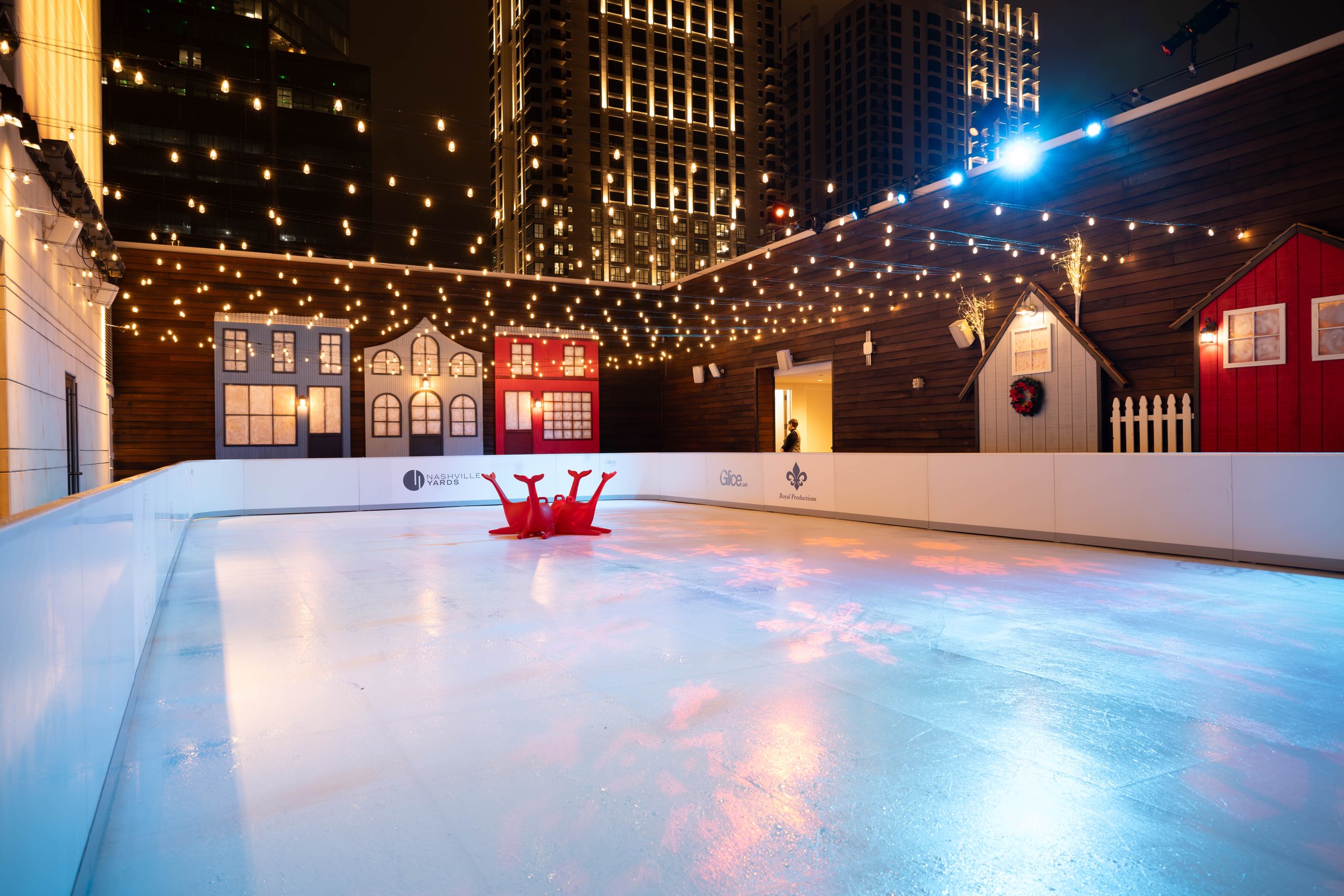
Put Glice and PolyGlide next to each other and they are hard to tell apart by eye: much the same connection system, the same white appearance, and both claiming the best glide. With nothing visible to separate them, a buyer has little to go on but price, and understandably picks the cheaper one. The real difference is in how each surface skates, and that only shows up when it is measured. This page measures it.
Why we compare the two directly
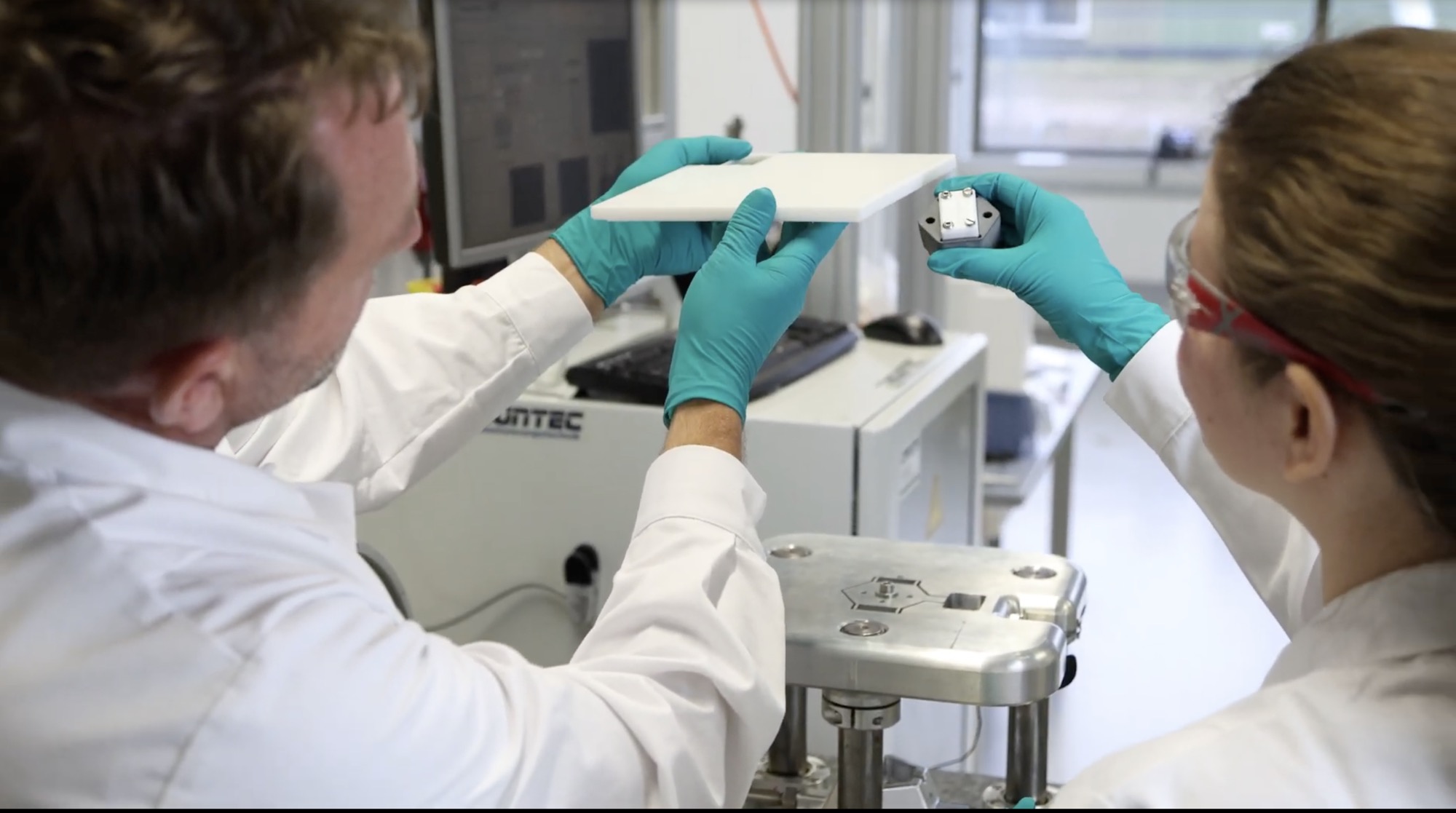
Both surfaces were measured in the same independent study, on the same rig, under the same conditions, which is the only basis on which a head-to-head means anything. The full method is on the Fraunhofer measurement page.
The three measured properties, compared
Here is each property, why it matters, and how the two surfaces compared in the Fraunhofer test.
Surface friction: how hard the blade is to push
Friction is how much resistance the blade meets, and it is what a skater feels most directly: low friction lets a blade glide instead of drag. Against PolyGlide, Fraunhofer measured Glice with 76% less friction, at low sliding speed on clean samples, on the newest version of each surface bought directly, in September 2025.
Indentation: how far the blade sinks
Indentation is how far the blade sinks into the surface under load. It matters because practically all regular synthetic ice is too soft: the blade sinks in and the skater ploughs the material aside instead of gliding over it, like an icebreaker ship forcing through pack ice. It is as decisive for glide as friction. Against PolyGlide, Glice measured 61% less indentation, so the blade rides the surface rather than sinking into it.
Abrasion: how much the surface sheds
Abrasion is how much material the surface sheds as it is skated on. Too much means constant cleaning, faster degradation, and shavings that cling to skaters. Against PolyGlide, Glice measured 18% less abrasion.
How to read these numbers
A percentage difference in friction is a difference in friction, and nothing more. It does not translate directly into a glide, effort or sharpening figure, and we do not present it that way. What the numbers show is that on the three properties that decide quality, measured the same way at the same time, Glice was ahead of PolyGlide by a wide margin, and lower indentation in particular means a blade rides the surface rather than sinking into it.
Beyond the surface
The surface is necessary, but it is not the whole story. A rink also succeeds or fails on the look and quality of the dasher boards, the installation, training and support a supplier provides, and the marketing, location and maintenance around it. Those decide as much as the surface, and they are covered on the Why synthetic ice rinks fail and Running a successful rink project pages.
In short
Glice and PolyGlide were measured side by side in the one independent study of the category, under identical low-speed laboratory conditions. Glice recorded 76% less friction, 61% less indentation and 18% less abrasion than PolyGlide, on the three properties that actually decide how a surface skates. The comparison is verifiable, and the difference is one you can only see when you measure.