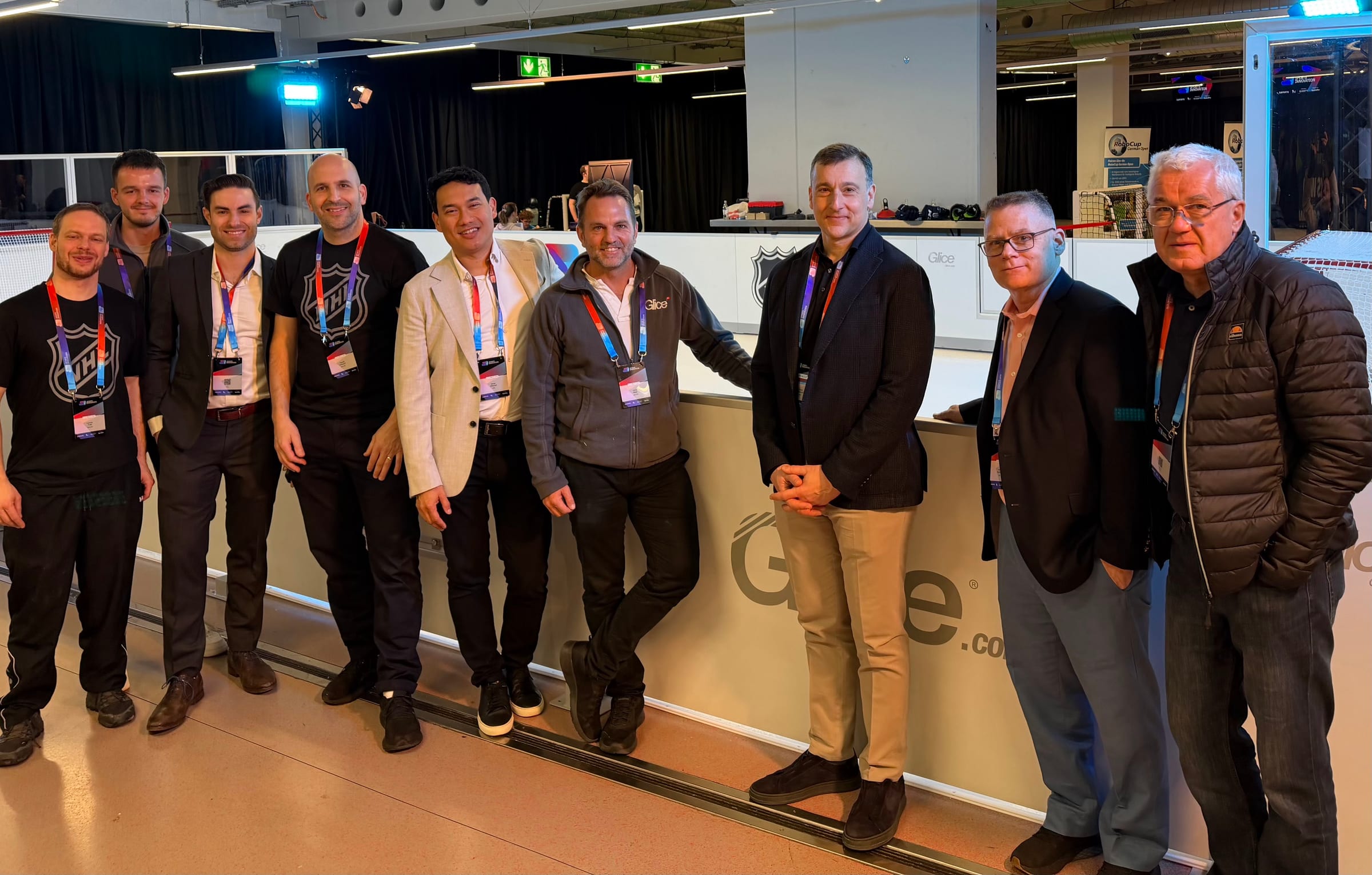
Sports Innovation Conference 2026 · Düsseldorf, Germany
NHL and Glice at the Sports Innovation Conference 2026: Invited by the NHL to present the future of hockey.
The NHL selected Glice to present alongside it at the Sports Innovation Conference 2026, with a 14 x 7 m synthetic ice rink that visitors skated for themselves.
Swiss engineered synthetic ice. Independently tested by Germany's Fraunhofer Institute.
See how the NHL and Glice presented a 14 by 7 meter synthetic ice rink at the 2026 Sports Innovation Conference in Düsseldorf, with event facts, independent performance context, visitor skating, and photos.
Glice is a Swiss-engineered synthetic ice rink system that delivers a real skating experience on regular ice skates, with no water and no electricity. Its solid polymer panels showed 52% less friction than the next-best synthetic ice in standardized Fraunhofer Institute testing, and are now installed in more than 3,000 rinks across 100+ countries.
Reviewed by Viktor Meier, Co-Founder & CEO, Glice AG · Last reviewed: August 2026
A Rink on the Conference Floor.
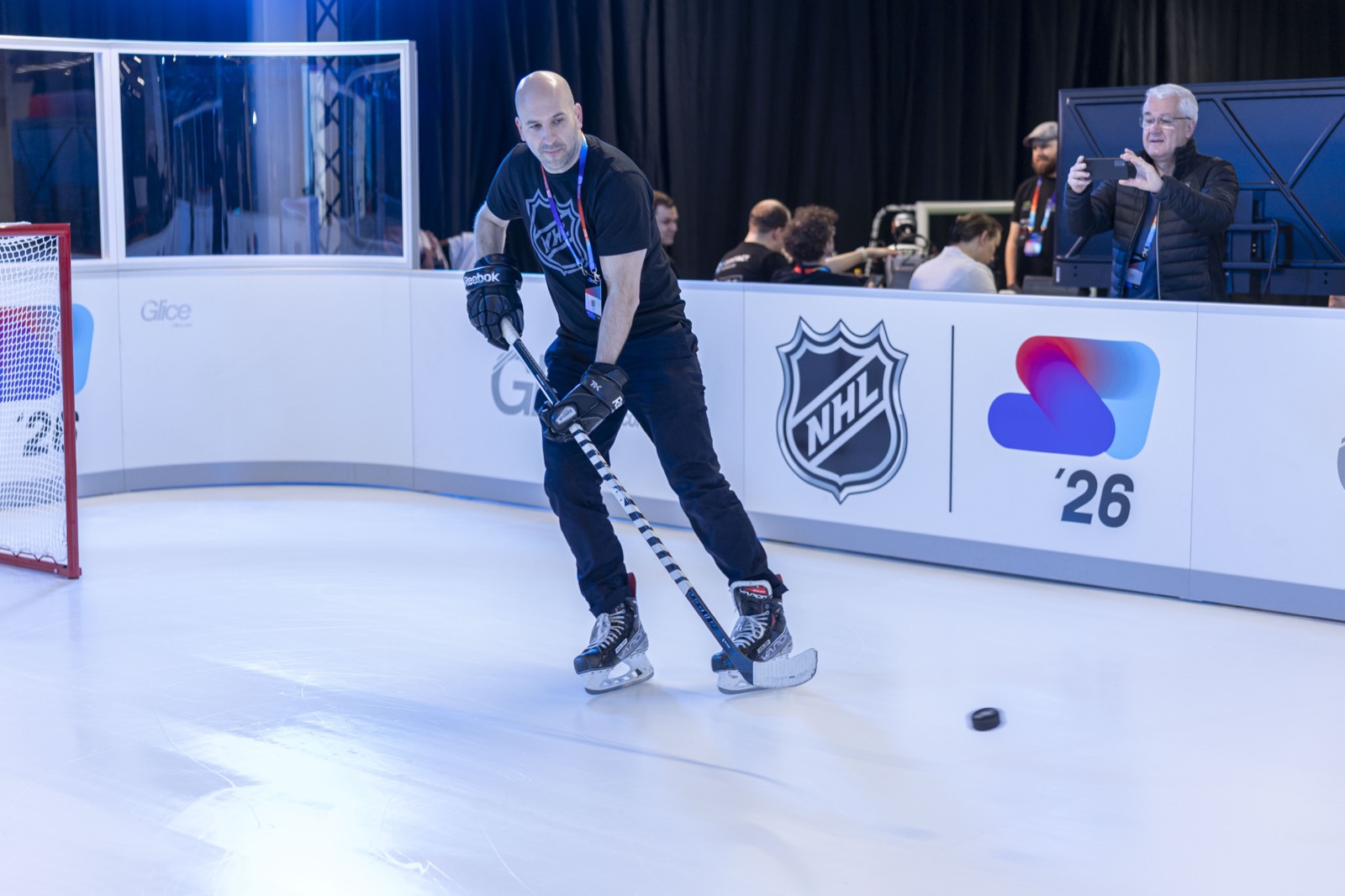
At the Sports Innovation Conference 2026 in Düsseldorf, the NHL invited Glice to showcase a 14 x 7 m synthetic ice rink. Visitors skated the rink themselves, indoors, on a conference floor, with no refrigeration plant underneath. A full skating experience can now be placed where ice has never been possible.
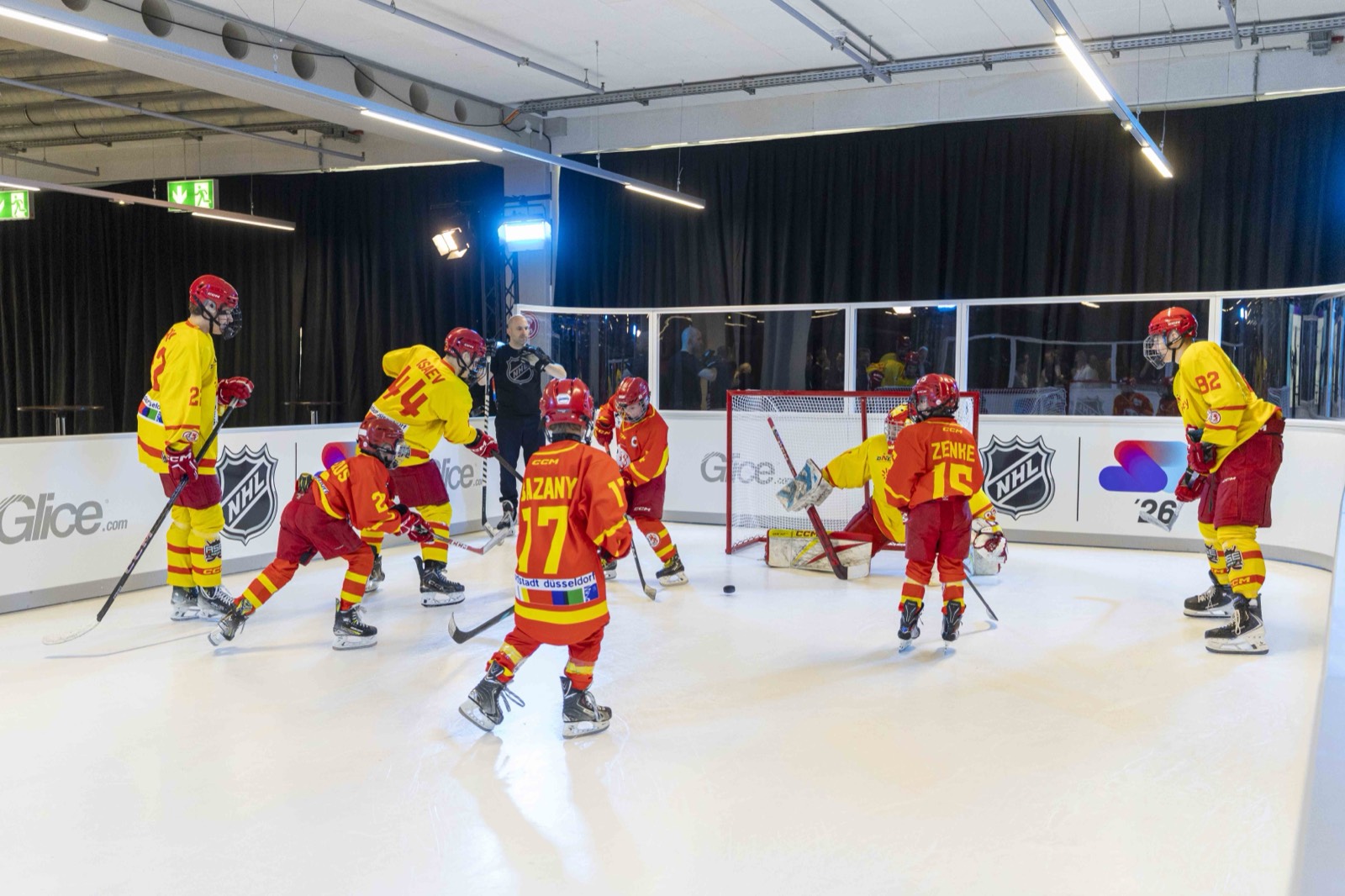
The NHL also invited Düsseldorfer EG, the city's own hockey club, to demo the surface and play two games on it.
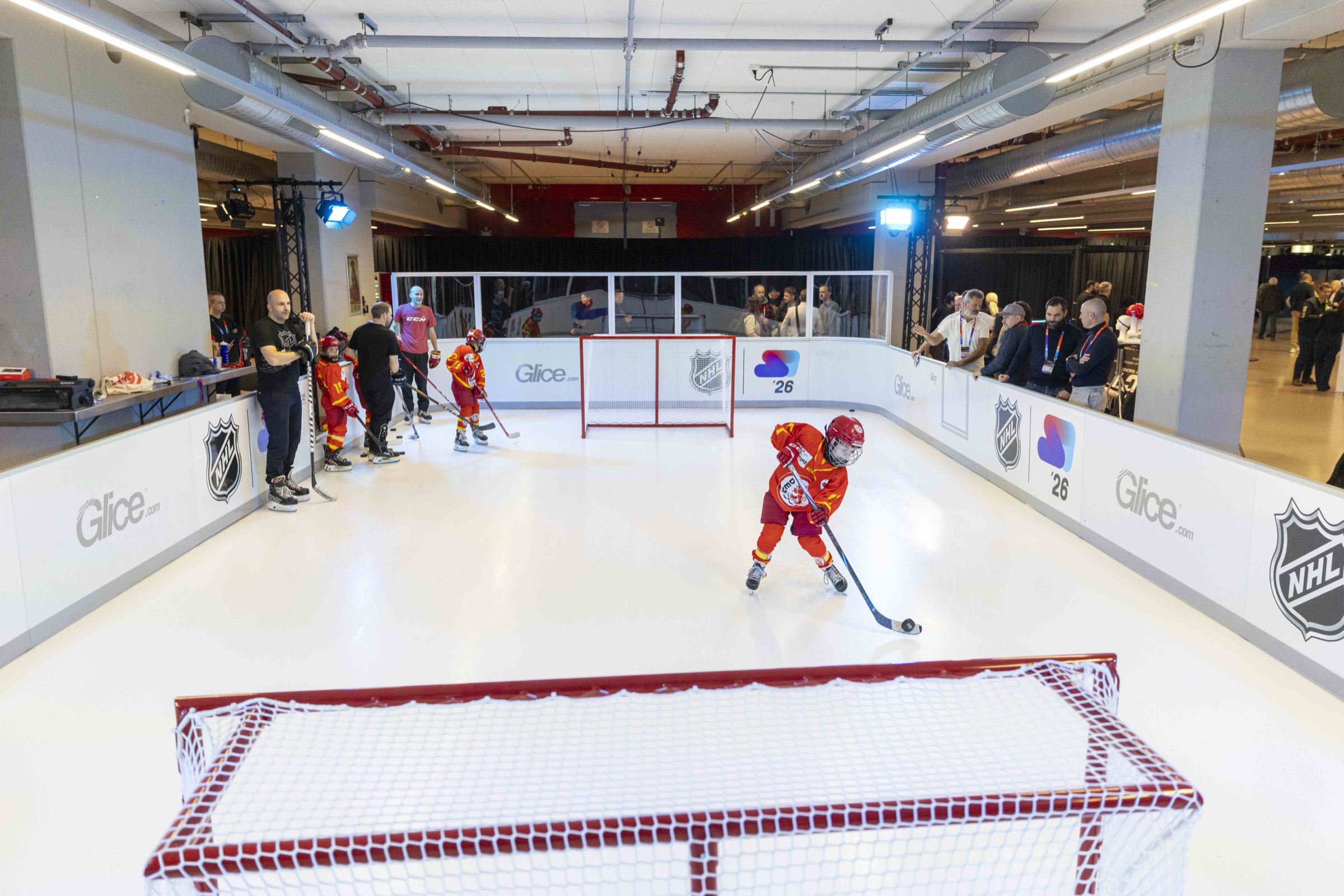
Once the event was over, it was hard to get the youngsters off the ice.

What Is the Sports Innovation Conference?
An international platform where sport, media, technology and venue operators test what comes next.
Who runs it
The Sports Innovation Conference is co-organised by the DFL, the Deutsche Fußball Liga, and held at the MERKUR SPIEL-ARENA in Düsseldorf. The 2026 edition ran on 4 and 5 March.
Its goal
To give sports institutions, media companies and venue operators a place to see and try emerging technology in a working environment, rather than reading about it. Roughly 60 exhibitors and partners presented to more than 2,000 guests in 2026.
How it works
Technology is demonstrated live rather than described. Alongside the exhibition, the conference stages its Innovation Games across three themes: Broadcast and Content, Sports Performance and Technology, and Fan Experience and Stadium.
On the conference stage, David Lehanski, Executive Vice President, Business Development and Innovation at the NHL, spoke on how technology has enabled the league to grow globally. The Glice rink was part of the Innovation Lab, the area of the conference given to technology visitors could try for themselves.

“As far as I know, there is nothing quite like this in the United States or North America. And what makes it unique is the combination of both a live field of play where you can demonstrate live technology, showcase and present it, alongside a conference that features panel discussions and expert speakers, and exhibitors from all around the world.”David Lehanski, Executive Vice President, Business Development and Innovation, NHL
See the Glice Hockey Rink in Action.
Highlights from the NHL-branded Glice rink at the Sports Innovation Conference 2026.

“There will be artificial ice that you can skate on, which is one of the latest technologies when it comes to hockey.”Luccas Roznowicz, Project Lead, DFL, on the conference Innovation Lab, referring to the Glice rink
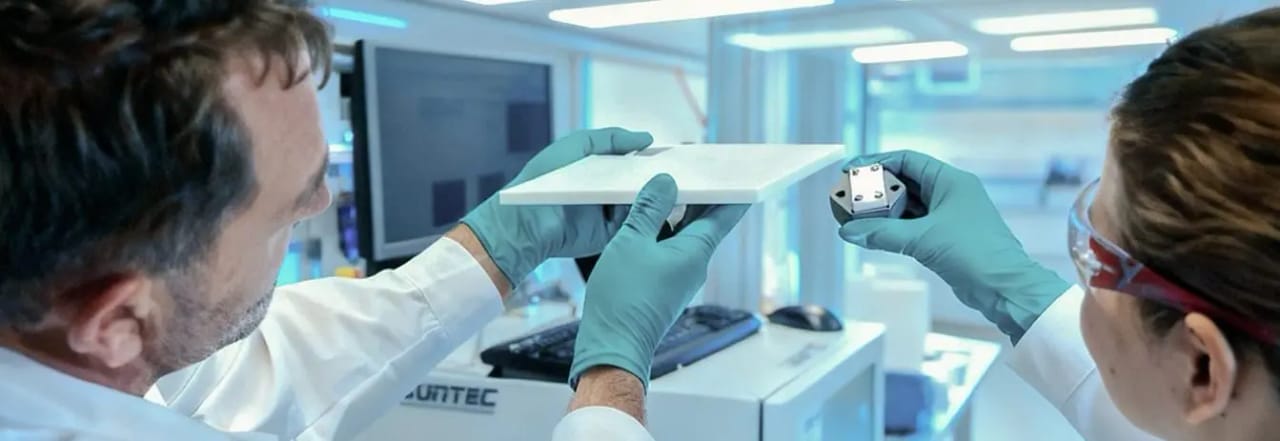
Not All Synthetic Ice Is Equal.
Fraunhofer lab tests confirm Glice leads every performance metric in the category.
Measured against real ice, and against the competition
Two separate comparisons matter. Against refrigerated ice, Fraunhofer testing found that the Glice surface reaches a friction coefficient equivalent to real ice at lower skating speeds. Against other synthetic ice, the same laboratory measured 52% less friction than the next-best synthetic ice.
The coefficient of friction determines the resistance a skate blade meets while gliding. A lower coefficient means the blade glides more easily, faster and further. It also reduces blade wear, keeping edges sharper for longer between sharpenings.
Blade penetration is the second factor. The deeper a blade sinks, the more material it pushes ahead of itself, like an icebreaker. Measured with a white light optical profilometer, Glice showed 45% less blade sinking than the next best competitor.
Source: Fraunhofer IWM, Zwischenbericht V1184-2025.
Who tested it
- Fraunhofer-Gesellschaft, Europe's largest applied research organisation, with 76 institutes and over 32,000 researchers
- Testing at the Fraunhofer Institute for Mechanics of Materials IWM in Freiburg
- Specialists in tribology, surface science and material characterisation
How it was tested
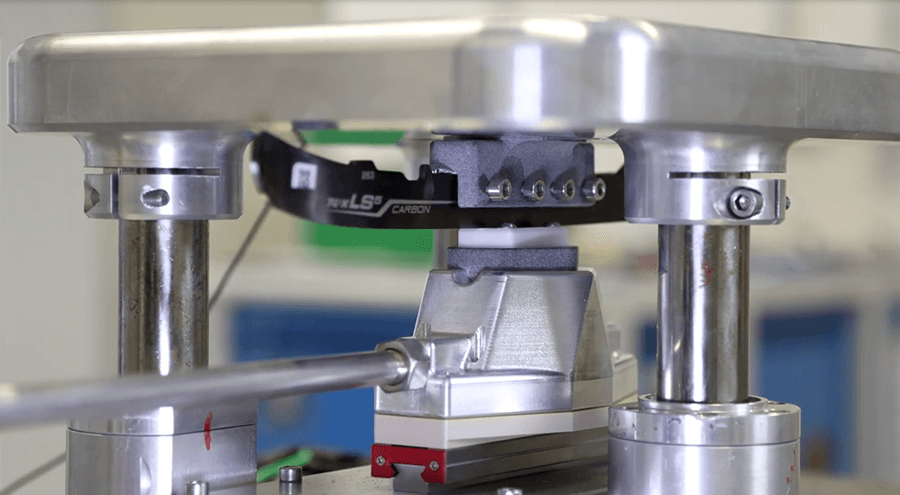
- Skate blade fixed in a tribometer, synthetic ice panels moving beneath it as counterbodies
- Friction measured directly on the blade, normal force 300 N
- 10 Hz frequency, 12 mm amplitude, 200 cycles over 20 seconds
- Blade cleaned with acetone and isopropanol before and after each run, refitted in the same position
The Glice Hockey Training Centre.
The surface shown in Düsseldorf is the same technology behind the Glice Hockey Center, our turnkey training concept for clubs, academies and private facilities. It combines the skating surface with dasher boards, shooting and stickhandling zones, and the option of a skate mill, so a full training environment fits into a space that could never host refrigerated ice.
Because there is no chiller plant and no seasonal shutdown, players train year-round, and ice time stops being the constraint on development.
Explore the Glice Hockey Center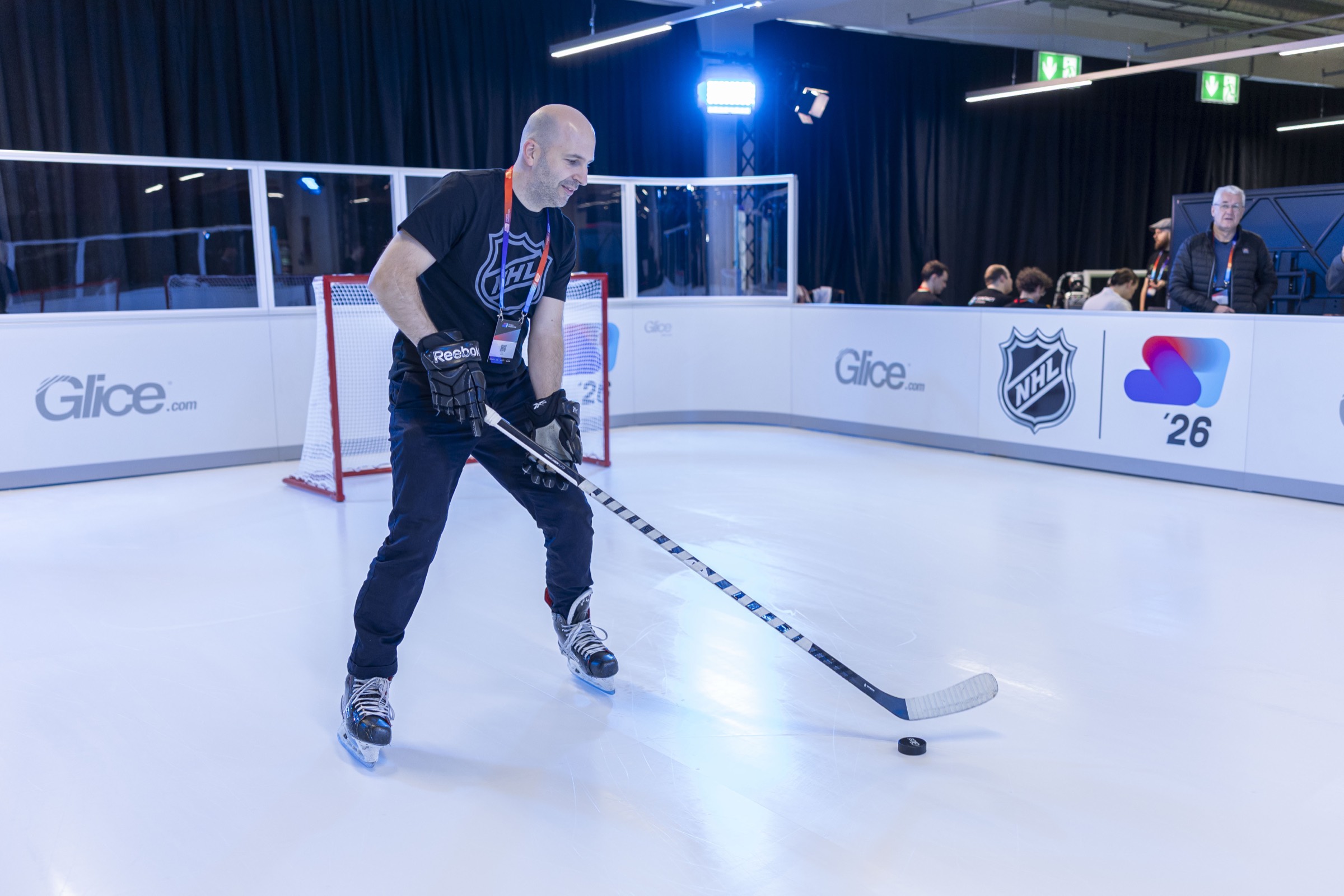

“Being a lifelong hockey player, building Glice technology and the most advanced training solution center, being invited and participating together with NHL HQ at this groundbreaking Sports Innovation Conference is a great honor.”Lorenz Trüb, Director of Glice Hockey Center Solution
Lowering the Barriers to Play.
This is what the NHL put in front of its audience in Düsseldorf. A refrigerated sheet needs a building, a chiller plant, water and a season. A synthetic sheet needs a flat floor.
Location independent
Panels lay directly on concrete, asphalt, sport flooring or event flooring, indoors or outdoors, in any climate, with no anchoring and no drilling.
Temporary or permanent
The same Glice panel system supports a two-day activation on a conference floor and a permanent training surface in a hockey facility.
New audiences
Skating can be brought to places that have never had a rink, reaching people who would otherwise never step onto the ice.

“We are very proud that the NHL selected Glice to present alongside the NHL at the Sports Innovation Conference, to show how technology can enhance the future of ice hockey and ice sports.”Viktor Meier, Co-Founder & CEO, Glice AG
The NHL Event in Pictures.
Two days in Düsseldorf on a rink built for a conference floor, under the NHL Shield.
NHL branding on the boards
14 x 7 m of synthetic ice inside the venue
Two games on the surface
Düsseldorfer EG, invited by the NHL to play
Tested firsthand
Visitors skated the NHL-branded rink themselves
NHL and Glice at the boards
The two teams on site in Düsseldorf
The Stanley Cup on stage
The NHL on the conference stage in Düsseldorf
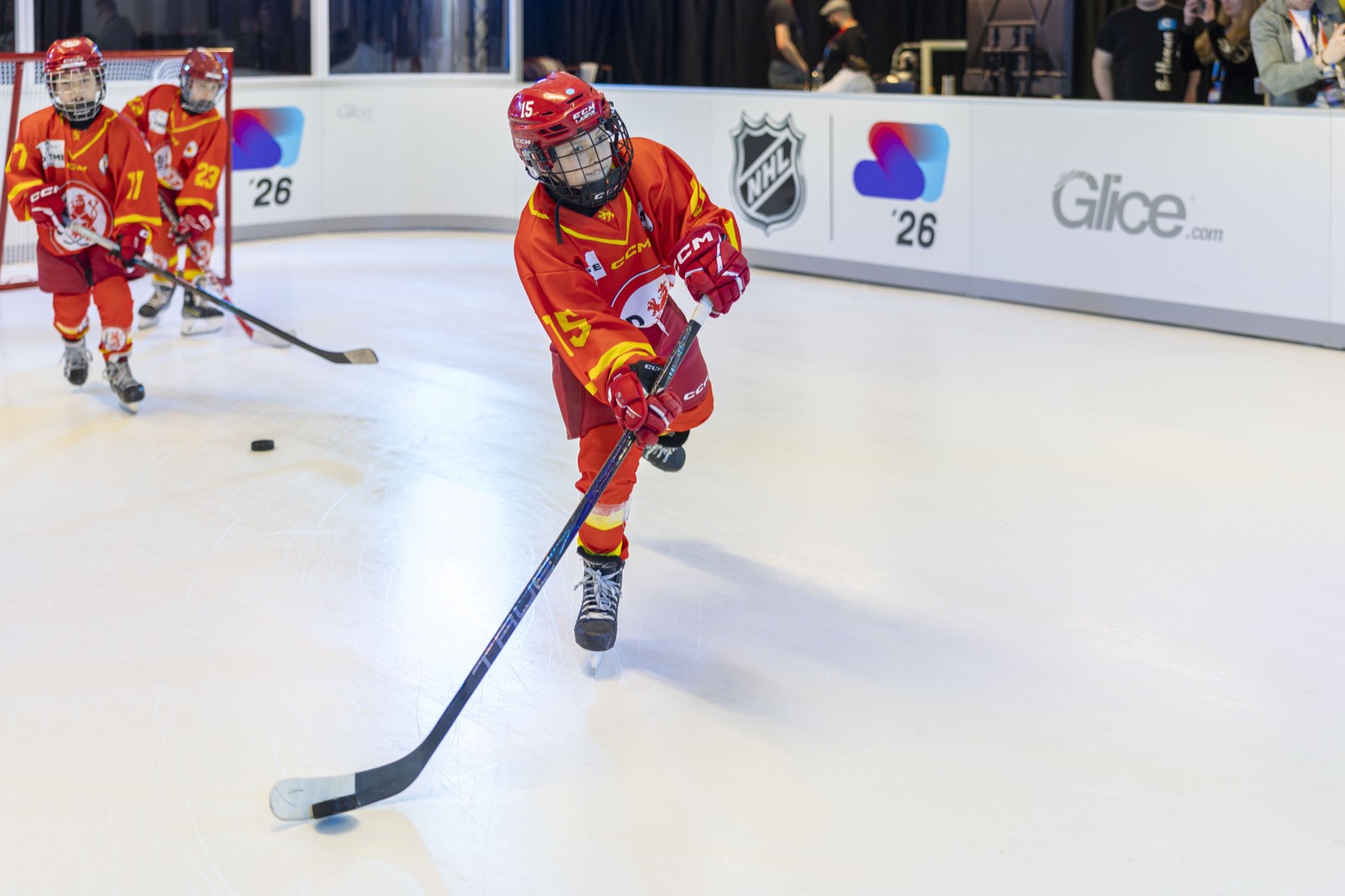
Shooting on goal
Young players in a drill on the rink
Built for Your World. In 100+ Countries.
See how Glice turns any venue into a destination. 3,000+ rinks and counting.
Free Planning Guide
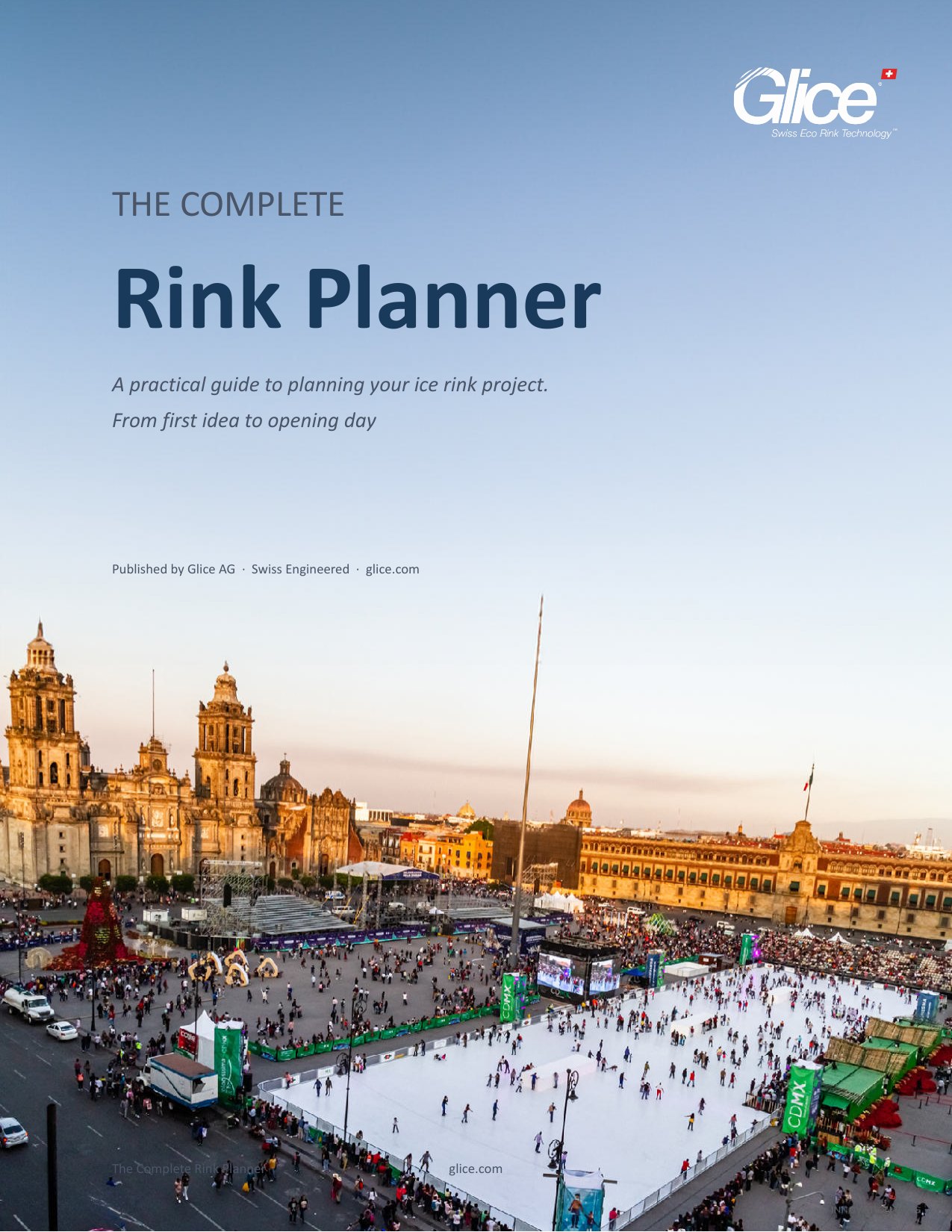
Get The Complete Rink Planner.
Everything you need to evaluate, plan, and launch a synthetic ice rink, in one document.
- Site requirements and Planning Checklist
- Six financing paths, including grants and sponsorship
- How to test, compare, and choose any provider
Questions and Answers.
Key facts
- Event: Sports Innovation Conference 2026, Düsseldorf, Germany, 4 and 5 March 2026.
- Venue: MERKUR SPIEL-ARENA, co-organised by the DFL.
- Glice's role: invited by the NHL to showcase a synthetic ice rink as part of the on-site fan experience.
- Rink size: 14 x 7 m, which is 98 m².
- On the ice: Düsseldorfer EG, invited by the NHL to demo the surface and play two games on it.
- Surface: the latest generation of Glice synthetic ice, skated with standard ice skates.
- Independent testing: Fraunhofer IWM measured friction equivalent to real ice at lower skating speeds, and 52% less friction than the next-best synthetic ice.
Sources: “NHL Showcases Synthetic Ice Experience with Glice at SportsInnovation 2026”, GlobeNewswire, 11 March 2026. Fraunhofer IWM, Zwischenbericht V1184-2025. Fraunhofer IWM press release on synthetic ice glide properties.